
If you’ve been diagnosed with sleep apnea, you may be wondering — can it be cured?
Sleep apnea doesn’t just affect how well you sleep; it impacts your heart, brain, and overall quality of life. The good news is that while not all forms of sleep apnea can be permanently cured, many cases can be effectively managed — and in some people, even reversed through the right treatments and habits.
In this article, we’ll explore what determines whether sleep apnea can be cured, the most effective treatments available, and how you can take control of your sleep health today.
Understanding Sleep Apnea
Sleep apnea is a condition where breathing repeatedly stops and starts during sleep. These interruptions lower oxygen levels, fragment your sleep, and strain your body’s systems.
There are three main types:
- Obstructive Sleep Apnea (OSA) – Caused by a blocked airway, often due to relaxed throat muscles or excess tissue.
- Central Sleep Apnea (CSA) – Caused by the brain failing to send correct breathing signals.
- Complex Sleep Apnea Syndrome – A combination of both OSA and CSA.
Whether sleep apnea can be cured depends on its type, severity, and underlying cause.
( Sleep Foundation – Sleep Apnea Treatment)
Can Obstructive Sleep Apnea Be Cured?
In some cases, yes — obstructive sleep apnea (OSA) can be reversed or significantly improved, especially when it’s mild or linked to modifiable lifestyle factors.
1. Weight Loss and Exercise
Excess body fat, especially around the neck and upper airway, is one of the main causes of OSA.
Losing 10–15% of body weight can greatly reduce symptoms and sometimes eliminate sleep apnea entirely.
Tip: Regular aerobic activity and strength training help improve muscle tone in the throat and promote better breathing during sleep.
2. Positional Therapy
If your sleep apnea only occurs when you sleep on your back, switching to side-sleeping can dramatically reduce airway blockages. Special positional pillows or devices can help maintain this posture.
3. Surgical Treatments
When structural issues cause airway obstruction, surgery can sometimes provide a cure.
Common surgical options include:
- UPPP (Uvulopalatopharyngoplasty): Removes excess throat tissue.
- Genioglossus advancement: Moves the tongue muscle forward to prevent airway collapse.
- Maxillomandibular advancement (MMA): Repositions the jaw to enlarge the airway.
- Tonsillectomy or adenoidectomy: Often used in children with enlarged tonsils.
While surgery can offer long-term relief, it’s typically considered after other treatments fail.
4. Oral Appliance Therapy
Custom-made dental devices can reposition the jaw and tongue during sleep to keep the airway open. For mild to moderate cases, these can sometimes serve as a permanent solution.
(Learn about healthy sleep timing using the Sleep Times Calculator.)
Can Central Sleep Apnea Be Cured?
Central Sleep Apnea (CSA) is more complex because it originates in the brain’s respiratory control center rather than the airway.
Causes include:
- Neurological disorders (stroke, Parkinson’s disease)
- Heart failure or kidney failure
- Chronic opioid use
- High-altitude exposure
In most cases, CSA cannot be fully cured, but it can be effectively managed with the right treatment plan.
Common Treatments:
- Adaptive Servo-Ventilation (ASV): A specialized PAP machine that adjusts air pressure dynamically.
- CPAP (Continuous Positive Airway Pressure): Delivers consistent airflow to stabilize breathing.
- Treating the underlying condition: Managing heart failure or reducing opioid use often improves symptoms.
Can Complex Sleep Apnea Be Cured?
Complex sleep apnea is a mix of obstructive and central causes. Once the obstructive component is treated (typically with CPAP), the central events sometimes disappear over time.
This type of apnea can often be controlled but not permanently cured, and long-term monitoring is usually needed.
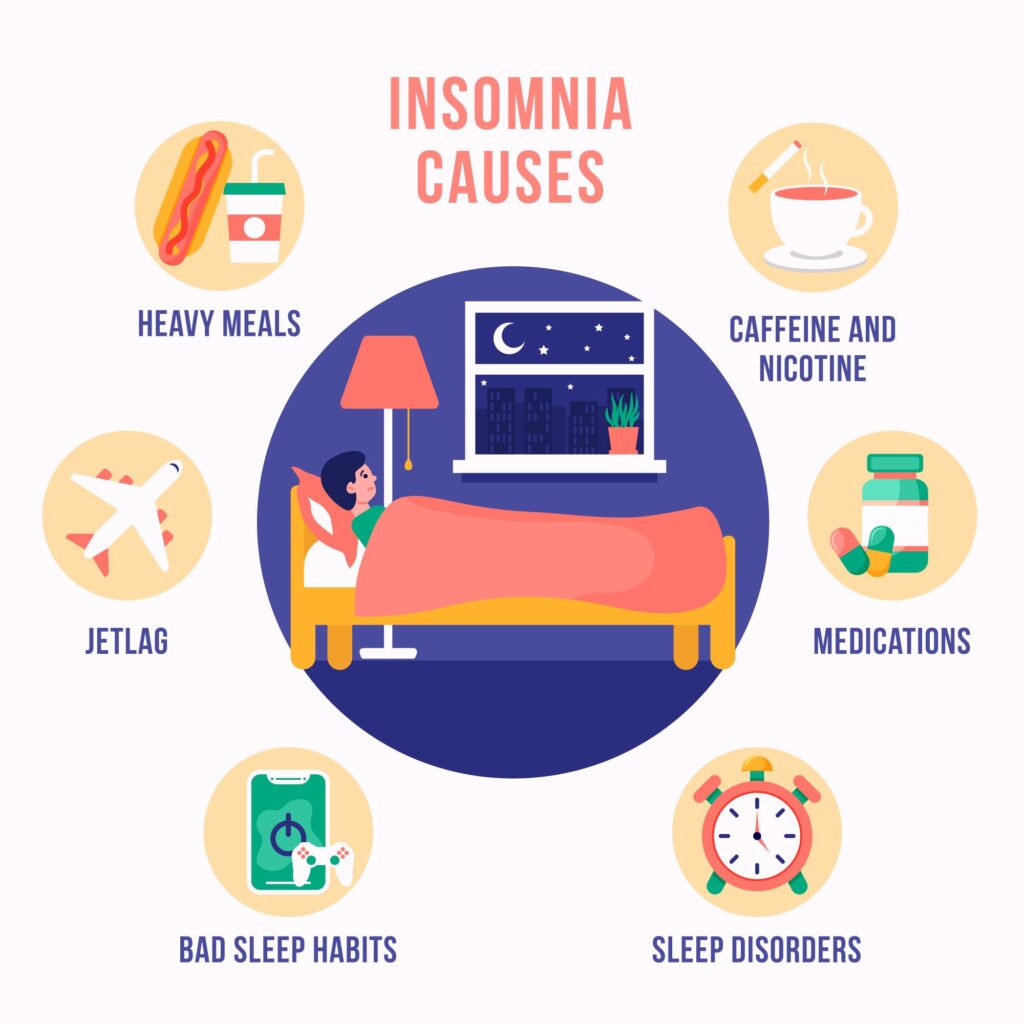
Lifestyle Changes That Help Manage or Reverse Sleep Apnea
Even if your sleep apnea isn’t fully curable, making these changes can dramatically improve symptoms and reduce dependence on medical devices:
- Maintain a healthy weight – Prevents airway obstruction.
- Avoid alcohol and sedatives – They relax throat muscles, worsening apnea.
- Quit smoking – Reduces airway inflammation.
- Stick to a consistent sleep schedule – Regulates your circadian rhythm.
- Treat nasal congestion – Improves airflow and reduces snoring.
- Get regular exercise – Enhances breathing efficiency and energy levels.
(Use the Sleep Times Calculator to plan optimal bedtimes for better rest.)
Medical Treatments That Manage Sleep Apnea Effectively
When lifestyle changes aren’t enough, medical treatments can help control — and in some cases, reverse — sleep apnea.
1. CPAP Therapy
The Continuous Positive Airway Pressure (CPAP) machine is the gold standard for treating sleep apnea. It keeps airways open by delivering steady airflow during sleep.
2. BiPAP and APAP Machines
These machines automatically adjust pressure levels to make breathing easier for those who struggle with CPAP.
3. Implantable Nerve Stimulators
Devices like the Inspire therapy implant stimulate airway muscles to stay open during sleep — a newer option for patients who cannot tolerate CPAP.
(read more : Is Sleep Apnea Dangerous? The Hidden Risks You Need to Know)
Is There a Permanent Cure for Sleep Apnea?
For most adults, sleep apnea can be controlled but not permanently cured — unless it’s due to a reversible cause like weight gain or anatomical obstruction.
However, with consistent treatment and lifestyle changes, symptoms can completely disappear, and sleep quality can return to normal.
In children, removing enlarged tonsils or adenoids often cures sleep apnea permanently.
FAQ: People Also Ask
Q1: Can sleep apnea go away naturally?
In mild cases, yes — lifestyle changes like weight loss, side sleeping, and avoiding alcohol can eliminate symptoms.
Q2: Can CPAP cure sleep apnea permanently?
No. CPAP controls symptoms but doesn’t cure the condition. However, consistent use prevents complications and improves sleep quality.
Q3: Can surgery cure sleep apnea?
For some patients, yes. Procedures that remove or adjust airway structures can permanently resolve OSA, especially in younger or non-obese individuals.
Q4: What is the fastest way to cure sleep apnea?
There’s no “quick fix.” The most effective long-term approach is a combination of medical treatment, weight management, and healthy sleep habits.
Conclusion
So, can sleep apnea be cured?
The answer depends on the type and cause. While some cases — especially mild obstructive sleep apnea — can be reversed through weight loss, surgery, or positional therapy, most require ongoing management to keep symptoms under control.
The key is early detection and consistent treatment. With the right plan, you can enjoy deep, restorative sleep and protect your long-term health.To start improving your sleep tonight, use the Sleep Times Calculator to find your ideal bedtime and wake-up schedule based on your natural sleep cycles.