
Sleep is essential for your mental and physical health, but many people struggle to get quality rest. Interestingly, modern technology can actually be a powerful ally in improving your sleep. From apps that track your sleep cycles to smart devices that optimize your bedroom environment, technology can help you fall asleep faster, stay asleep longer, and wake up refreshed. If you want to understand your sleep patterns and optimize your rest, start with the helpful insights and tools on the Sleep Times Calculator and check out practical advice in the Sleep Guide.
Why Sleep Technology Matters
Sleep technology is not about replacing natural sleep—it’s about supporting it. By leveraging gadgets, apps, and smart devices, you can:
- Track your sleep cycles
- Identify patterns and disturbances
- Create an optimal sleep environment
- Improve sleep consistency
For a deeper understanding of your sleep cycles and how technology can complement them, explore the tips and routines in the Sleep Guide.
Types of Sleep Technology and How They Help
1. Sleep Tracking Apps
Sleep tracking apps are widely available for smartphones and smartwatches. They monitor:
- Sleep duration
- REM, light, and deep sleep stages
- Nighttime movements and interruptions
Knowing your sleep patterns allows you to make data-driven changes to your routine. For example, if your sleep cycles are inconsistent, tools on the Sleep Times Calculator can suggest the ideal bedtime and wake-up time to align with your natural rhythms.
2. Smart Mattresses and Bedding
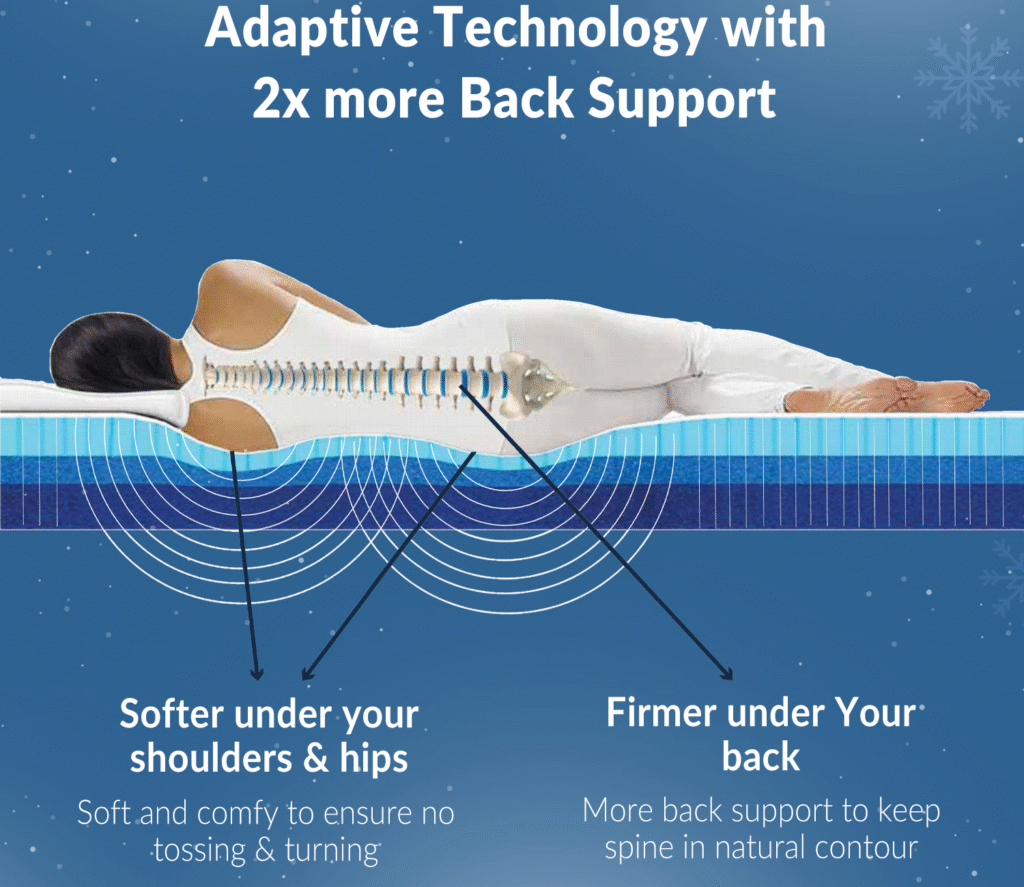
Modern mattresses now come with sensors that adjust firmness, track sleep quality, and regulate temperature. These devices can reduce tossing and turning and ensure you complete your sleep cycles more effectively.
For tips on how environmental factors influence sleep, see the expert advice in the Sleep Guide.
3. White Noise and Sleep Sound Machines
White noise machines, fans, or even smart speakers that play calming sounds can reduce disturbances and improve sleep consistency.
Many devices now sync with sleep-tracking apps, allowing you to optimize your sleep environment based on real-time data from apps like those on Sleep Times Calculator.
4. Smart Lighting Systems
Smart lights can mimic natural sunlight cycles. Bright, blue-enriched light in the morning boosts alertness, while warm, dim light in the evening signals melatonin production.
You can also pair smart lighting with bedtime reminders from apps, helping reinforce good sleep habits recommended in the Sleep Guide.
5. Wearable Sleep Trackers
Smartwatches and fitness bands monitor heart rate, movement, and sleep cycles. This data can help you pinpoint patterns or disturbances and make changes to your daily routine.
Pairing tracker insights with bedtime optimization from Sleep Times Calculator can enhance the benefits of these devices.
6. Bedtime Reminder Apps and Habit Trackers
These apps send alerts when it’s time to wind down, helping maintain a consistent sleep schedule. Consistency is key to completing full sleep cycles, which is explained in detail in the Sleep Guide.
7. Meditation and Relaxation Apps
Guided meditations, breathing exercises, and sleep stories calm your mind before bed.
Combining these apps with personalized sleep schedules suggested on the Sleep Times Calculator ensures you maximize the restorative potential of each sleep cycle.
Tips for Using Technology Without Disrupting Sleep
While technology can enhance sleep, misuse can backfire. Consider these strategies:
- Limit screen time 60–90 minutes before bed – Avoid blue light suppression of melatonin.
- Use night mode or blue-light filters if you need your phone.
- Place devices away from the bed – Avoid notifications during sleep.
- Choose apps and devices that enhance relaxation, rather than stimulation.
- Combine technology with traditional sleep hygiene – consistent bedtime, relaxing routines, and a comfortable environment outlined in the Sleep Guide.
FAQs
1. Can technology really improve sleep?
Yes. Sleep-tracking apps, smart mattresses, lighting systems, and meditation apps can support better sleep quality and help establish consistent habits. Pairing this technology with guidance from the Sleep Times Calculator enhances effectiveness.
2. Are wearable sleep trackers accurate?
They are reasonably accurate for monitoring sleep duration and movement. Using them alongside sleep cycle insights in the Sleep Guide ensures better interpretation of your data.
3. Which devices are best for better sleep?
Smart mattresses, white noise machines, smart lights, and meditation apps are highly effective when combined with proper sleep timing techniques suggested in the Sleep Times Calculator.
4. Can my phone help me sleep better?
Yes, if used correctly. Sleep-tracking apps, bedtime reminders, and relaxation guides all improve sleep quality without disturbing your natural rhythm.
5. How does smart lighting improve sleep?
Smart lighting mimics natural light patterns, signaling your brain when to wake up and when to prepare for sleep, enhancing both light and deep sleep cycles.
Conclusion
Technology can be a powerful ally for better sleep when used correctly. From sleep trackers to smart lighting, white noise machines, and meditation apps, you can optimize your sleep cycles and create an ideal sleep environment.
For personalized sleep timing, tracking tips, and practical guides, visit the Sleep Times Calculator and explore the comprehensive resources in the Sleep Guide.
Start tonight—let technology guide you toward deeper, more restorative sleep.