
Feeling tired even after sleeping? Struggling with focus, mood, or energy levels? You might be dealing with sleep debt. Learning how to calculate sleep debt helps you understand how much rest your body is missing and how to recover effectively. Tools and guidance from Sleep Times Calculator make it easier to understand your sleep patterns and fix long-term fatigue before it affects your health.
Sleep debt doesn’t appear overnight — it builds quietly when you don’t get enough rest consistently.
What Is Sleep Debt?
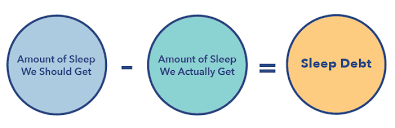
Sleep debt is the difference between the sleep your body needs and the sleep you actually get. Even losing one hour of sleep per night can add up quickly over a week.
For example:
- If your body needs 8 hours
- But you sleep only 6 hours
- You gain 2 hours of sleep debt in one night
Over time, this debt affects mental clarity, immune health, and metabolism.
Why It’s Important to Calculate Sleep Debt
Understanding sleep debt helps you:
- Identify chronic sleep deprivation
- Improve energy and concentration
- Support hormone balance
- Reduce long-term health risks
Many people try to “catch up” on weekends, but guidance shared in the Sleep Guide explains why consistent sleep matters more than occasional recovery sleep.
How to Calculate Sleep Debt (Step-by-Step)
Step 1: Know How Much Sleep You Need
Most adults need 7–9 hours per night. Choose your ideal number based on how rested you feel — not just averages.
Example:
- Required sleep: 8 hours
Step 2: Track How Much You Actually Sleep
Write down your actual sleep duration for each night.
Example:
- Monday: 6 hours
- Tuesday: 6.5 hours
- Wednesday: 5.5 hours
Step 3: Subtract Actual Sleep from Required Sleep
Now calculate the nightly deficit.
Example:
- Required: 8 hours
- Actual: 6 hours
- Sleep debt for the night: 2 hours
Step 4: Add It Up Over Time
Sleep debt accumulates across days.
Example (3 days):
- Day 1: 2 hours
- Day 2: 1.5 hours
- Day 3: 2.5 hours
➡️ Total sleep debt: 6 hours
This is why even “small” sleep losses feel overwhelming after a week.
How Much Sleep Debt Is Too Much?
Sleep experts suggest:
- 1–3 hours: Mild fatigue
- 4–7 hours: Noticeable cognitive and mood effects
- 8+ hours: Chronic sleep deprivation
According to insights shared on Sleep Times Calculator, large sleep debt cannot be erased in one night — it needs gradual recovery.
Common Signs You Have Sleep Debt
If you’re unsure whether you have sleep debt, watch for:
- Difficulty waking up
- Daytime sleepiness
- Brain fog or poor focus
- Increased cravings
- Weakened immunity
These signs often appear even before people realize they’re undersleeping.
Can You Repay Sleep Debt?
Yes — but not instantly.
Healthy Ways to Reduce Sleep Debt
- Go to bed 30–60 minutes earlier for several nights
- Maintain consistent sleep and wake times
- Avoid late-night screens and caffeine
- Use full sleep cycles for better rest quality
Sleep timing strategies discussed in the Sleep Guide help you recover more efficiently without oversleeping.
Why Weekend Sleep Doesn’t Fully Fix Sleep Debt
Sleeping extra on weekends may feel good, but:
- It disrupts your internal clock
- It doesn’t fully restore lost sleep cycles
- It can cause “social jet lag.”
Steady recovery works better than sudden long sleep sessions.
How Sleep Cycles Affect Sleep Debt
Sleep happens in 90-minute cycles. If you wake up mid-cycle:
- Sleep quality drops
- You feel more tired
- Sleep debt feels worse
That’s why sleep calculators focus on cycles, not just hours — a concept explained in depth on Sleep Times Calculator.
Simple Example: Calculating Weekly Sleep Debt
Let’s say:
- Required sleep: 8 hours × 7 days = 56 hours
- Actual sleep: 46 hours total
Sleep debt = 10 hours
That level of deficit explains constant tiredness — even if you think you’re “mostly sleeping enough.”
FAQs – People Also Ask
1. How long does it take to recover from sleep debt?
It depends on the amount. Small sleep debt may take a few days; larger debt may take weeks.
2. Can naps reduce sleep debt?
Short naps help alertness but don’t fully repay deep sleep loss.
3. Is sleep debt permanent?
No, but long-term debt increases health risks if ignored.
4. How do I know how much sleep I personally need?
Track how you feel after consistent sleep schedules — tools on Sleep Times Calculator can help.
5. Does oversleeping cancel sleep debt?
No. Oversleeping can disrupt rhythms and worsen fatigue.
Conclusion: Track It, Fix It, Sleep Better
Learning how to calculate sleep debt gives you control over your energy, mood, and long-term health. Sleep debt doesn’t disappear on its own — but with awareness, better timing, and consistent habits, it can be reduced safely.
To better understand sleep cycles, recovery strategies, and ideal sleep timing, explore tools on Sleep Times Calculator and practical advice inside the Sleep Guide. Found this helpful? Share it, leave a comment, or explore more sleep-health resources.