
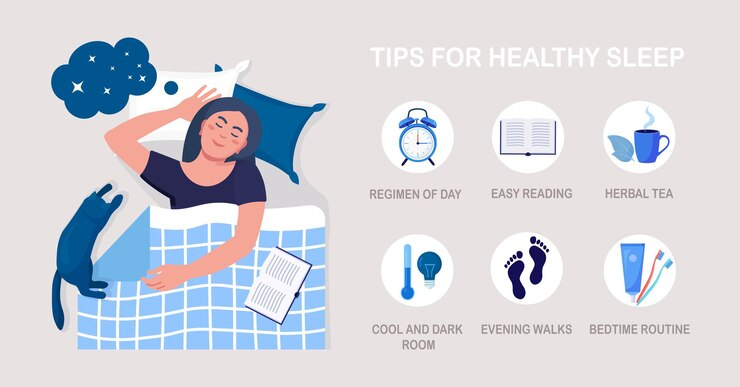
Sleep is one of the most powerful tools for your mental and physical health—but millions struggle with getting quality rest every night. If you’ve been searching for effective ways how to improve sleep and sleep hygiene, you’re already on the right track.
For those who want personalized sleep timings and cycle-based recommendations, tools on the Sleep Times Calculator and expert insights in the Sleep Guide can help you understand your ideal restful routine.
Good sleep doesn’t happen by accident—it is the result of habits, behavior, environment, and daily routines. This guide explains everything in detail so you can sleep more deeply, faster, and better.
What Is Sleep Hygiene and Why Does It Matter
Sleep hygiene refers to the collection of habits and lifestyle choices that support healthy sleep. Poor sleep hygiene leads to difficulty falling asleep, nighttime awakenings, and low morning energy. Good sleep hygiene, on the other hand, allows your body to enter full sleep cycles smoothly and wake up feeling restored.
Quality sleep helps you:
- Strengthen your immune system
- Improve learning and memory
- Stay emotionally balanced
- Maintain a healthy weight
- Build stronger focus and productivity
If you want to understand how many sleep cycles your body needs or what the best timing is for your routine, check out the circadian rhythm guides inside the Sleep Guide section.
How to Improve Sleep and Sleep Hygiene (In-Depth Tips)
1. Build a Consistent Sleep Schedule
Consistency is one of the most important elements of sleep hygiene. When you sleep and wake up at the same time daily, your internal clock works more smoothly.
A consistent schedule helps regulate melatonin, align your circadian rhythm, and improve the depth of your rest. Even a slight shift in routine can confuse your body. If you’re unsure about the best bedtime for you, the tools on the Sleep Times Calculator can guide you based on your natural rhythms.
2. Create a Calming Night Routine
Your mind can’t jump from daytime stress directly into deep sleep. A relaxing evening routine helps slow down mental activity.
For example:
- Light stretching helps release physical tension from the day.
- Reading a calming book tells your brain it’s time to shift gears.
- Warm showers reduce muscle stiffness and lower body temperature, preparing you for rest.
- Soft instrumental music can help your nervous system unwind.
When you repeat these steps every night, your brain forms a sleep association, making it easier to drift off.
3. Reduce Blue Light Before Bedtime
Blue light from phones and laptops strongly disrupts your melatonin production. If you want better sleep quality, reduce screen exposure 60–90 minutes before bedtime.
This single habit can dramatically improve how fast you fall asleep.
If your lifestyle requires late-night work, use warm screen filters or night mode. More guidance on melatonin timing is available in the Sleep Guide for a deeper understanding.
4. Improve Your Sleep Environment
Your bedroom should signal relaxation—not alertness.
A sleep-friendly environment includes:
- Cool temperature: Your body falls asleep faster in cooler environments.
- Low light: Darkness boosts melatonin naturally.
- Clean, organized space: Clutter creates mental stress and overstimulation.
- Comfortable bedding: A supportive mattress and breathable pillows help prevent tossing and turning.
These factors work together to improve light sleep, deep sleep, and REM sleep throughout the night.
5. Eat and Drink Smart for Better Sleep
Your evening food choices influence your sleep dramatically.
Heavy meals at night can cause discomfort, bloating, and delayed sleep. Instead, choose light foods. Avoid caffeine after mid-afternoon because it stays in your system for hours.
If you want something soothing before bed, warm drinks like chamomile tea or milk can support relaxation. Kiwi, bananas, almonds, and oats are natural sleep-enhancing foods, and they work especially well when eaten 1–2 hours before bedtime.
6. Get Exposure to Natural Light During the Day
Sunlight is essential for setting your internal clock. Morning sunlight boosts serotonin, which later converts into melatonin at night.
This makes it easier to fall asleep earlier, stay asleep, and wake up refreshed.
Try stepping outside for at least 10–20 minutes after waking up. Even indirect sunlight through a window can improve your circadian rhythm.
7. Exercise Regularly—But Not Too Late
Physical activity boosts deep sleep, improves metabolic health, and reduces stress.
However, high-intensity workouts late in the evening may delay sleep because they increase heart rate and body temperature.
The best approach:
- Exercise in the morning or afternoon.
- Do relaxing activities like stretching or yoga at night.
This supports smoother transitions into deeper sleep cycles.
8. Manage Stress and Mental Overactivity
Many people struggle with sleep because their minds are still racing at night. Stress management is essential for sleep hygiene.
Techniques that help include:
- Deep breathing
- Meditation
- Gratitude journaling
- Muscle relaxation
- Listening to calming sounds
Writing down your next day’s tasks also clears mental clutter, helping your brain relax faster.
9. Limit Naps and Keep Them Short
Naps are useful for energy, but long or late naps can interfere with nighttime sleep.
A short nap of 10–20 minutes before 3 pm is ideal—it boosts alertness without entering deep sleep.
If you find naps disrupt your nighttime routine, it’s best to avoid them until your sleep schedule stabilizes.
10. Understand Your Sleep Cycle Needs
Sleep cycles last about 90 minutes, and waking up in the wrong stage can cause grogginess.
To wake up feeling fresh, it’s better to complete full cycles.
You can calculate ideal sleep timings using tools on the Sleep Times Calculator, which help determine the best wake-up time based on sleep cycles.
FAQs
1. What is the most effective way to improve sleep?
Consistency is the most powerful factor. Follow a stable bedtime and wake-up timing every day to stabilize your circadian rhythm.
2. How can I fix sleep naturally?
Practice good sleep hygiene: create a calming routine, limit screens, optimize your environment, and reduce stress.
3. What foods help improve sleep?
Kiwi, bananas, almonds, chamomile tea, warm milk, oats, and magnesium-rich greens are all natural sleep boosters.
4. Why can’t I sleep even when I’m tired?
Common reasons include stress, screen exposure, caffeine, irregular sleep schedule, or poor sleep hygiene habits.
5. How many hours should adults sleep?
Most adults need 7–9 hours to complete enough sleep cycles for full recovery.
Conclusion
Improving your sleep and sleep hygiene is a gradual process, but the results are life-changing. With consistent habits, a calming routine, and a sleep-friendly environment, you can transform your rest quality and overall health.
For more helpful insights on sleep cycles, recommended timings, and practical guides, explore the detailed articles in the Sleep Guide.
Better sleep begins with better habits—start tonight.