
If you’ve ever felt wide awake at midnight or sleepy in the middle of the day, your sleep-wake cycle might be out of balance. This internal rhythm controls when you feel alert or tired, affecting your mood, energy, and even long-term health.
Understanding your sleep-wake cycle — also known as your circadian rhythm — is the key to improving sleep quality, productivity, and overall well-being. The good news? You can reset and optimize it with a few simple changes.
What Is the Sleep-Wake Cycle?
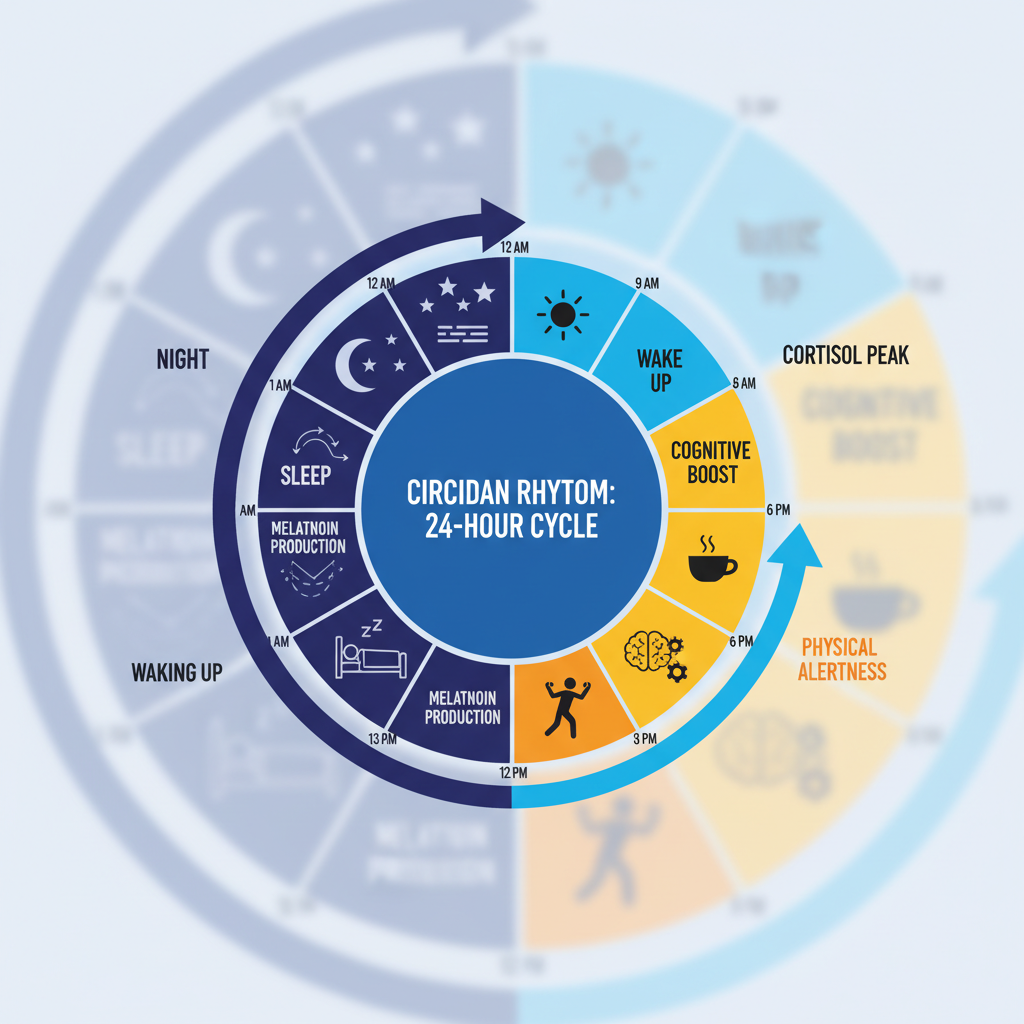
The sleep-wake cycle is your body’s 24-hour biological rhythm that dictates when you sleep and when you’re awake. It’s controlled by an internal “master clock” in the brain called the suprachiasmatic nucleus (SCN), located in the hypothalamus.
This clock synchronizes with external cues — mainly light and darkness — to regulate the release of hormones like melatonin and cortisol, which influence sleep and wakefulness.
The Two Main Forces Behind the Sleep-Wake Cycle
- Circadian Drive:
Your body’s internal timer that promotes wakefulness during the day and sleepiness at night. - Sleep Pressure:
The longer you stay awake, the more pressure builds up to sleep — controlled by the accumulation of adenosine in the brain.
These two forces work together to determine when you feel alert or drowsy.
How the Sleep-Wake Cycle Works
Morning: Wakefulness and Energy
- Light enters your eyes and signals the SCN to suppress melatonin, the sleep hormone.
- Your body temperature and cortisol levels rise, boosting alertness.
- Best time for focus, exercise, and productivity.
Afternoon: Natural Energy Dip
- Around 1–3 p.m., your body experiences a slight drop in alertness.
- Short naps (10–20 minutes) or light activity can help maintain focus.
Evening: Preparing for Sleep
- As light fades, melatonin production increases.
- Your body temperature drops slightly.
- Avoid bright screens and caffeine to support this natural transition.
Night: Deep Rest and Recovery
- Deep sleep supports cell repair, memory consolidation, and immune function.
- The most restorative stages usually occur before midnight, emphasizing the importance of going to bed at a consistent hour.
Why the Sleep-Wake Cycle Matters
A well-balanced sleep-wake rhythm helps your body function efficiently. When it’s disrupted, you can experience:
- Daytime fatigue and lack of focus
- Mood swings or irritability
- Weakened immune function
- Metabolic issues like weight gain or insulin resistance
- Increased risk of cardiovascular problems
Regular, high-quality sleep improves brain health, mood stability, hormone regulation, and longevity.
Factors That Disrupt the Sleep-Wake Cycle
- Irregular sleep schedules (e.g., shift work or late nights)
- Excessive screen time before bed
- Lack of natural sunlight exposure
- Jet lag or travel across time zones
- Caffeine or alcohol close to bedtime
- Chronic stress or anxiety
How to Reset Your Sleep-Wake Cycle
1. Get Morning Sunlight
Expose yourself to natural sunlight within an hour of waking. This helps your body suppress melatonin and reset your circadian rhythm.
2. Maintain a Consistent Schedule
Go to bed and wake up at the same time every day, even on weekends.
3. Limit Blue Light at Night
Turn off screens or use blue-light filters at least an hour before bed.
4. Avoid Caffeine Late in the Day
Caffeine can block adenosine, delaying sleep pressure buildup. Cut it off after 2 p.m.
5. Create a Sleep-Friendly Environment
Keep your bedroom dark, quiet, and cool (around 65–68°F or 18–20°C).
6. Use a Sleep Calculator
Find your optimal sleep and wake times based on your natural cycles with the Sleep Times Calculator.
The Role of Melatonin and Cortisol
These two hormones are the main drivers of your sleep-wake rhythm:
- Melatonin: Signals your body that it’s time to sleep. Peaks around bedtime and declines in the morning.
- Cortisol: Known as the “stress hormone,” but it also helps you wake up. Peaks in the early morning to boost alertness.
Maintaining their balance through consistent sleep patterns ensures smoother transitions between wakefulness and rest.
Tips to Strengthen Your Natural Rhythm
- Eat meals at regular times — your digestive system also follows a daily rhythm.
- Exercise early in the day rather than late at night.
- Avoid long naps (over 30 minutes) that can push bedtime later.
- Keep your bedroom for sleep only — no work or screens.
FAQ: Common Questions About the Sleep-Wake Cycle
Q1: What causes a disrupted sleep-wake cycle?
Irregular sleep times, light exposure at night, stress, and travel across time zones are the most common causes.
Q2: How long does it take to reset my sleep cycle?
Most people can reset their rhythm within 7–10 days with consistent habits and proper light exposure.
Q3: Can melatonin supplements help?
Short-term melatonin use may help with jet lag or temporary sleep disruption, but lifestyle changes are more effective long-term.
Q4: What’s the best time to go to sleep for my cycle?
For most adults, between 10:00 p.m. and 11:00 p.m. aligns best with the body’s natural rhythm. You can calculate your exact timing with the Sleep Times Calculator.
Conclusion
Your sleep-wake cycle is the foundation of healthy sleep and daily performance. When it’s in sync, you wake up naturally energized, think clearly, and feel balanced throughout the day.
By keeping a consistent routine, getting morning sunlight, and using tools like the Sleep Times Calculator, you can align your sleep with your body’s natural rhythm, improving your sleep quality and overall well-being.