
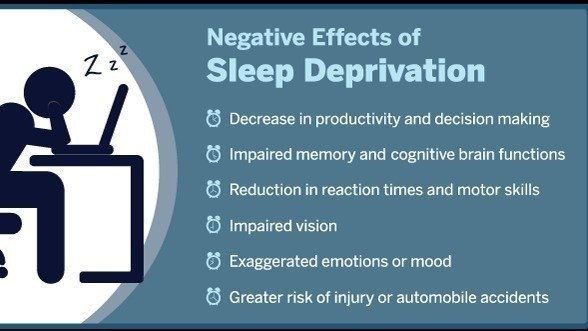
Sleep deprivation is more than just feeling tired—it’s a serious health concern that affects your brain, body, emotions, and overall productivity. Millions of people unknowingly suffer from a lack of sleep, which can lead to chronic stress, poor decision-making, and long-term health issues. If you want to understand how much sleep you actually need and how sleep cycles affect your health, start exploring practical tools on the Sleep Times Calculator along with expert guides inside the Sleep Guide.
Understanding the consequences of sleep deprivation is the first step toward improving your well-being and building healthier sleep habits.
Why Sleep Deprivation Is More Dangerous Than You Think
Many people underestimate the long-term effects of sleep loss. Missing a few hours occasionally may feel manageable, but when it becomes frequent, your body enters a state of imbalance. Lack of sleep affects:
- Cognitive performance
- Hormone regulation
- Emotional stability
- Immune strength
- Overall health
For guidance on healthy sleep duration and calculating ideal sleep cycles, you can explore timing methods shared in the Sleep Guide.
Short-Term Consequences of Sleep Deprivation
Even one night of poor sleep can trigger noticeable changes. These effects can impact work, mood, and decision-making.
1. Impaired Focus and Reduced Productivity
When you’re sleep-deprived, concentration becomes difficult. You may find it hard to complete tasks, solve problems, or stay mentally present.
Tools such as the Sleep Times Calculator can help you plan sleep cycles more accurately and avoid daytime drowsiness.
2. Slower Reaction Time
Lack of sleep affects your reflexes, making driving and operating machinery dangerous. Research shows that sleep-deprived driving can be as risky as drunk driving.
3. Mood Swings and Irritability
Poor sleep disrupts emotional regulation, causing irritability, stress, anxiety, and frustration. People with persistent sleep loss often report feeling overwhelmed by simple tasks.
4. Memory Problems
Sleep is essential for memory formation. Without enough rest, recalling information becomes difficult, and learning new things takes more effort.
To understand how sleep stages affect memory, you can check the cycle explanations inside the Sleep Guide.
Long-Term Consequences of Chronic Sleep Deprivation
Consistently missing sleep can harm your body in serious ways. These consequences develop gradually but have lasting effects.
1. Weakened Immune System
Sleep helps your body repair itself. Without enough rest, your immune system weakens, making you more vulnerable to infections and illnesses.
2. Increased Risk of Heart Disease
Chronic sleep loss is linked to high blood pressure, inflammation, and irregular heart rhythms—all risk factors for cardiovascular issues.
3. Weight Gain and Hormonal Imbalance
Sleep deprivation disrupts hunger hormones (ghrelin and leptin), leading to overeating. This imbalance increases cravings, especially for sugary foods.
4. Higher Risk of Diabetes
Poor sleep affects how your body processes glucose. Over time, this increases insulin resistance and raises the risk of type 2 diabetes.
5. Mental Health Issues
Long-term sleep deprivation is strongly connected to anxiety disorders, depression, and mood instability.
For guidance on improving sleep habits naturally, practical routines are available in the Sleep Guide.
6. Hormonal and Metabolic Damage
Lack of sleep affects the hormones responsible for stress, metabolism, and growth. This disrupts hormonal balance and slows down body repair.
How Sleep Deprivation Affects the Brain
Your brain is one of the first organs to suffer from a lack of rest.
1. Reduced Cognitive Function
Tasks involving judgment, reasoning, creativity, and decision-making suffer when your brain doesn’t get enough sleep.
2. Emotional Instability
The amygdala—your emotional control center—overreacts when sleep-deprived. This makes small issues feel overwhelming.
3. Impaired Problem-Solving Ability
Sleep loss limits your ability to think logically or handle complex tasks.
You can plan better sleep schedules using guidance from the Sleep Times Calculator.
Physical Consequences You Should Never Ignore
1. Hormonal Disruption
Sleep controls hormones related to stress, appetite, growth, and metabolism. Skipping sleep causes irregularities that affect your energy and health.
2. Increased Inflammation
Poor sleep increases inflammation markers in the body, which contributes to chronic diseases.
3. Aging Skin
Sleep helps repair damaged skin cells. Without proper rest, dark circles, dull skin, and premature aging become visible.
Lifestyle Consequences of Being Sleep-Deprived
1. Poor Performance at Work
You may make more mistakes, miss deadlines, or find it hard to meet expectations because your brain can’t function optimally.
2. Relationship Problems
Irritability and mood swings affect your communication, leading to conflicts or misunderstandings.
3. Decreased Motivation
When your brain is exhausted, your motivation drops. You feel less driven to exercise, eat well, or engage in daily activities.
How to Avoid Sleep Deprivation: Practical Solutions
Sleep deprivation can be reversed with consistent habits. Here’s how to improve your sleep quickly:
1. Follow a Regular Sleep Schedule
Go to bed and wake up at the same time every day.
Tools on the Sleep Times Calculator can help you choose the right timing for completing healthy sleep cycles.
2. Improve Your Sleep Environment
- Keep your room dark, cool, and quiet
- Use comfortable bedding
- Avoid bright screens before sleep
3. Reduce Caffeine and Late-Night Eating
Stimulants and heavy meals disturb sleep rhythm.
4. Build a Calming Night Routine
Reading, stretching, deep breathing, or meditation can help you unwind.
Guides inside the Sleep Guide offer helpful night routine examples.
5. Stay Consistent
Your body needs regularity. Even on weekends, try to stick to your sleep routine.
FAQs
1. What happens if you don’t sleep enough?
Lack of sleep affects your brain, mood, immune system, and long-term health. It increases the risk of heart disease, diabetes, and mental health issues.
2. How many hours of sleep is enough?
Most adults need 7–9 hours of sleep. You can determine the best sleep timing using tools on the Sleep Times Calculator.
3. Can sleep deprivation be reversed?
Yes. With consistent sleep habits, improved routines, and proper rest, your body can recover from sleep deprivation.
4. Does lack of sleep affect mental health?
Absolutely. Sleep deprivation increases stress, anxiety, irritability, and the risk of depression.
5. What is the fastest way to recover from sleep loss?
Follow a consistent schedule, avoid caffeine late in the day, and use restorative sleep strategies from the Sleep Guide.
Conclusion
Sleep deprivation has serious consequences—affecting your mind, body, mood, and long-term health. But the good news is that with the right habits and guidance, you can reverse its impact.
Start by understanding your sleep cycles using the Sleep Times Calculator and explore expert routines in the Sleep Guide to rebuild healthy, restorative sleep habits.
Better sleep is not a luxury—it’s essential for your wellbeing.