Understanding the ideal sleep cycle can transform the way you feel each day. Most people underestimate how much sleep timing and quality affect energy, mood, and overall health. By learning about sleep stages, cycles, and optimal durations, you can wake up refreshed, boost productivity, and support long-term well-being.
Understanding Sleep Cycles
Sleep is not just one uniform state—it’s made up of multiple cycles that your body naturally goes through each night.
The Stages of Sleep
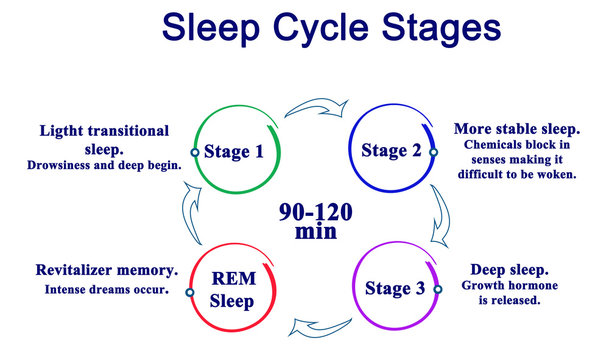
Each sleep cycle typically lasts 90 minutes and includes four key stages:
- Stage 1 – Light Sleep: The transition from wakefulness to sleep. Muscles relax, and heart rate slows.
- Stage 2 – Light Sleep Deepens: Brain activity slows, body temperature drops, and your body starts restoring energy.
- Stage 3 – Deep Sleep (Slow-Wave Sleep): Essential for physical recovery, tissue repair, and immune support.
- Stage 4 – REM Sleep (Rapid Eye Movement): The stage where dreaming occurs, memory consolidates, and cognitive functions improve.
These stages repeat 4–6 times per night, depending on your total sleep duration.
Why Understanding Your Sleep Cycle Matters
Knowing your ideal sleep cycle can:
- Reduce grogginess and morning fatigue
- Improve mood, focus, and productivity
- Support immune health and weight management
- Help align sleep with natural circadian rhythms
Tools like Sleep Times Calculator can help you schedule your sleep according to these cycles, maximizing rest and alertness.
How to Determine Your Ideal Sleep Cycle
Step 1: Calculate Your Required Sleep
Most adults need 7–9 hours per night, while teens and children need more. Track your sleep for a week to see what makes you feel rested.
Step 2: Plan Around 90-Minute Cycles
Since each sleep cycle is about 90 minutes, plan your bedtime and wake-up time in multiples of 1.5 hours. For example:
- If you need to wake up at 7:00 AM, aim to fall asleep at 10:30 PM or 12:00 AM.
- This ensures you wake up at the end of a cycle rather than in deep sleep, reducing grogginess.
Step 3: Keep a Consistent Schedule
Consistency strengthens your circadian rhythm:
- Go to bed and wake up at the same time every day
- Avoid drastic schedule shifts, even on weekends
Tips to Optimize Your Sleep Cycle
- Limit caffeine and alcohol: Both can disrupt deep sleep.
- Dim lights before bed: Signal your body to produce melatonin naturally.
- Create a relaxing routine: Reading, meditation, or light stretches can improve sleep quality.
- Track sleep quality: Apps or wearables can help identify disruptions.
- Nap strategically: Short naps (20–30 minutes) avoid interrupting nighttime cycles.
Common Questions About Sleep Cycles
How many sleep cycles should I aim for each night?
Most adults benefit from 4–6 complete cycles, totaling 6–9 hours.
Can my sleep cycles change with age?
Yes. Older adults may experience shorter deep sleep stages, while teenagers often need more total sleep.
What happens if I wake up mid-cycle?
Waking during deep sleep can cause grogginess, also called sleep inertia. Planning wake-up times with a sleep calculator reduces this effect.
Are naps beneficial?
Yes, short naps can improve alertness, but long naps may interfere with nighttime sleep cycles.
Related Resources
- Explore our Sleep Guide for more tips on sleep hygiene, bedtime routines, and sleep science.
- Use the Sleep Times Calculator to determine the best sleep and wake-up times according to your cycles.
Conclusion
The ideal sleep cycle is more than just hours of rest—it’s about aligning your body with natural rhythms to feel fully rejuvenated. By understanding sleep stages, tracking your cycles, and following practical tips, you can wake up energized and healthier. Start using tools like Sleep Times Calculator today to plan your sleep the smart way! Share this guide with friends struggling to sleep, subscribe for weekly sleep tips, or comment below with your sleep cycle experiences.